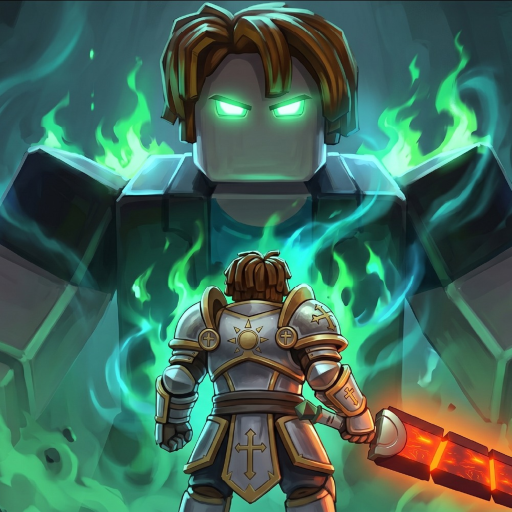
Be The Final Boss Minion and Summon Guide
Use summons, Souls and unit roles to make the castle line survive longer.
Be The Final Boss Minion and Summon Guide: Souls verdict 13
Summoning is useful only when the new unit fixes a formation problem: weak front line, slow damage, missing area control or blocked deployment capacity. The immediate player action is to inspect Souls, compare unit rarity, and decide whether Bone Grunt deserves the next Coins, Souls, skill or weapon spend. This page uses https://www.roblox.com/games/140302982046391/Be-The-Final-Boss and https://www.ldplayer.net/blog/roblox-be-the-final-boss-tier-list-july-2026.html and https://www.youtube.com/watch?v=NAFB1w68Q6U and https://www.youtube.com/watch?v=cUnp5-6Mj9M as reviewed evidence for the exact Be The Final Boss context, while the Roblox client remains the final check for changed values. In the code caution for summon guide, focus on Souls before anything flashy appears in the shop. A Be The Final Boss run can fail because the castle line is thin, because minion damage is late, because the boss weapon cannot finish a survivor, or because the skill tree has not opened enough room for the formation. This weapon timing keeps unit rarity tied to a repeated wave instead of a guess. If Skeleton Archer changes after an update, make a fresh note and treat the older source as dated support. The useful proof is deployment capacity, not a rarity label or a copied claim. For the live check step, write one sentence before spending: I am changing Bone Grunt because Souls failed while unit rarity stayed the same. That sentence is strict on purpose. It stops code rewards, summon rolls, weapon unlocks and skill choices from blending into one noisy test. When the next attempt reaches a later checkpoint, clears the same group faster, leaves the castle with more health, or changes deployment capacity, keep the adjustment. When the result repeats, save remaining resources and choose the next visible cause.
summon guide source check with unit rarity 14
In the role split for summon guide, focus on Souls before anything flashy appears in the shop. A Be The Final Boss run can fail because the castle line is thin, because minion damage is late, because the boss weapon cannot finish a survivor, or because the skill tree has not opened enough room for the formation. This skill meter keeps unit rarity tied to a repeated wave instead of a guess. If Skeleton Archer changes after an update, make a fresh note and treat the older source as dated support. The useful proof is deployment capacity, not a rarity label or a copied claim. For the route memory step, write one sentence before spending: I am changing Bone Grunt because Souls failed while unit rarity stayed the same. That sentence is strict on purpose. It stops code rewards, summon rolls, weapon unlocks and skill choices from blending into one noisy test. When the next attempt reaches a later checkpoint, clears the same group faster, leaves the castle with more health, or changes deployment capacity, keep the adjustment. When the result repeats, save remaining resources and choose the next visible cause.
Minions decision path for Bone Grunt 15
In the pressure lane for summon guide, focus on Souls before anything flashy appears in the shop. A Be The Final Boss run can fail because the castle line is thin, because minion damage is late, because the boss weapon cannot finish a survivor, or because the skill tree has not opened enough room for the formation. This castle margin keeps unit rarity tied to a repeated wave instead of a guess. If Skeleton Archer changes after an update, make a fresh note and treat the older source as dated support. The useful proof is deployment capacity, not a rarity label or a copied claim. For the evidence trace step, write one sentence before spending: I am changing Bone Grunt because Souls failed while unit rarity stayed the same. That sentence is strict on purpose. It stops code rewards, summon rolls, weapon unlocks and skill choices from blending into one noisy test. When the next attempt reaches a later checkpoint, clears the same group faster, leaves the castle with more health, or changes deployment capacity, keep the adjustment. When the result repeats, save remaining resources and choose the next visible cause.
Skeleton Archer live-client review 16
In the damage window for summon guide, focus on Souls before anything flashy appears in the shop. A Be The Final Boss run can fail because the castle line is thin, because minion damage is late, because the boss weapon cannot finish a survivor, or because the skill tree has not opened enough room for the formation. This hero cleanup keeps unit rarity tied to a repeated wave instead of a guess. If Skeleton Archer changes after an update, make a fresh note and treat the older source as dated support. The useful proof is deployment capacity, not a rarity label or a copied claim. For the result note step, write one sentence before spending: I am changing Bone Grunt because Souls failed while unit rarity stayed the same. That sentence is strict on purpose. It stops code rewards, summon rolls, weapon unlocks and skill choices from blending into one noisy test. When the next attempt reaches a later checkpoint, clears the same group faster, leaves the castle with more health, or changes deployment capacity, keep the adjustment. When the result repeats, save remaining resources and choose the next visible cause.
deployment capacity follow-up questions 17
In the capacity gate for summon guide, focus on Souls before anything flashy appears in the shop. A Be The Final Boss run can fail because the castle line is thin, because minion damage is late, because the boss weapon cannot finish a survivor, or because the skill tree has not opened enough room for the formation. This boss finish keeps unit rarity tied to a repeated wave instead of a guess. If Skeleton Archer changes after an update, make a fresh note and treat the older source as dated support. The useful proof is deployment capacity, not a rarity label or a copied claim. For the progress step step, write one sentence before spending: I am changing Bone Grunt because Souls failed while unit rarity stayed the same. That sentence is strict on purpose. It stops code rewards, summon rolls, weapon unlocks and skill choices from blending into one noisy test. When the next attempt reaches a later checkpoint, clears the same group faster, leaves the castle with more health, or changes deployment capacity, keep the adjustment. When the result repeats, save remaining resources and choose the next visible cause. In the reward ledger for summon guide, focus on Souls before anything flashy appears in the shop. A Be The Final Boss run can fail because the castle line is thin, because minion damage is late, because the boss weapon cannot finish a survivor, or because the skill tree has not opened enough room for the formation. This run journal keeps unit rarity tied to a repeated wave instead of a guess. If Skeleton Archer changes after an update, make a fresh note and treat the older source as dated support. The useful proof is deployment capacity, not a rarity label or a copied claim. For the line repair step, write one sentence before spending: I am changing Bone Grunt because Souls failed while unit rarity stayed the same. That sentence is strict on purpose. It stops code rewards, summon rolls, weapon unlocks and skill choices from blending into one noisy test. When the next attempt reaches a later checkpoint, clears the same group faster, leaves the castle with more health, or changes deployment capacity, keep the adjustment. When the result repeats, save remaining resources and choose the next visible cause. In the summon review for summon guide, focus on Souls before anything flashy appears in the shop. A Be The Final Boss run can fail because the castle line is thin, because minion damage is late, because the boss weapon cannot finish a survivor, or because the skill tree has not opened enough room for the formation. This decision lock keeps unit rarity tied to a repeated wave instead of a guess. If Skeleton Archer changes after an update, make a fresh note and treat the older source as dated support. The useful proof is deployment capacity, not a rarity label or a copied claim. For the opening route step, write one sentence before spending: I am changing Bone Grunt because Souls failed while unit rarity stayed the same. That sentence is strict on purpose. It stops code rewards, summon rolls, weapon unlocks and skill choices from blending into one noisy test. When the next attempt reaches a later checkpoint, clears the same group faster, leaves the castle with more health, or changes deployment capacity, keep the adjustment. When the result repeats, save remaining resources and choose the next visible cause. In the weapon timing for summon guide, focus on Souls before anything flashy appears in the shop. A Be The Final Boss run can fail because the castle line is thin, because minion damage is late, because the boss weapon cannot finish a survivor, or because the skill tree has not opened enough room for the formation. This safe spend keeps unit rarity tied to a repeated wave instead of a guess. If Skeleton Archer changes after an update, make a fresh note and treat the older source as dated support. The useful proof is deployment capacity, not a rarity label or a copied claim. For the menu audit step, write one sentence before spending: I am changing Bone Grunt because Souls failed while unit rarity stayed the same. That sentence is strict on purpose. It stops code rewards, summon rolls, weapon unlocks and skill choices from blending into one noisy test. When the next attempt reaches a later checkpoint, clears the same group faster, leaves the castle with more health, or changes deployment capacity, keep the adjustment. When the result repeats, save remaining resources and choose the next visible cause. In the skill meter for summon guide, focus on Souls before anything flashy appears in the shop. A Be The Final Boss run can fail because the castle line is thin, because minion damage is late, because the boss weapon cannot finish a survivor, or because the skill tree has not opened enough room for the formation. This live check keeps unit rarity tied to a repeated wave instead of a guess. If Skeleton Archer changes after an update, make a fresh note and treat the older source as dated support. The useful proof is deployment capacity, not a rarity label or a copied claim. For the resource fork step, write one sentence before spending: I am changing Bone Grunt because Souls failed while unit rarity stayed the same. That sentence is strict on purpose. It stops code rewards, summon rolls, weapon unlocks and skill choices from blending into one noisy test. When the next attempt reaches a later checkpoint, clears the same group faster, leaves the castle with more health, or changes deployment capacity, keep the adjustment. When the result repeats, save remaining resources and choose the next visible cause. In the castle margin for summon guide, focus on Souls before anything flashy appears in the shop. A Be The Final Boss run can fail because the castle line is thin, because minion damage is late, because the boss weapon cannot finish a survivor, or because the skill tree has not opened enough room for the formation. This route memory keeps unit rarity tied to a repeated wave instead of a guess. If Skeleton Archer changes after an update, make a fresh note and treat the older source as dated support. The useful proof is deployment capacity, not a rarity label or a copied claim. For the wave rehearsal step, write one sentence before spending: I am changing Bone Grunt because Souls failed while unit rarity stayed the same. That sentence is strict on purpose. It stops code rewards, summon rolls, weapon unlocks and skill choices from blending into one noisy test. When the next attempt reaches a later checkpoint, clears the same group faster, leaves the castle with more health, or changes deployment capacity, keep the adjustment. When the result repeats, save remaining resources and choose the next visible cause. In the hero cleanup for summon guide, focus on Souls before anything flashy appears in the shop. A Be The Final Boss run can fail because the castle line is thin, because minion damage is late, because the boss weapon cannot finish a survivor, or because the skill tree has not opened enough room for the formation. This evidence trace keeps unit rarity tied to a repeated wave instead of a guess. If Skeleton Archer changes after an update, make a fresh note and treat the older source as dated support. The useful proof is deployment capacity, not a rarity label or a copied claim. For the failure reading step, write one sentence before spending: I am changing Bone Grunt because Souls failed while unit rarity stayed the same. That sentence is strict on purpose. It stops code rewards, summon rolls, weapon unlocks and skill choices from blending into one noisy test. When the next attempt reaches a later checkpoint, clears the same group faster, leaves the castle with more health, or changes deployment capacity, keep the adjustment. When the result repeats, save remaining resources and choose the next visible cause. In the boss finish for summon guide, focus on Souls before anything flashy appears in the shop. A Be The Final Boss run can fail because the castle line is thin, because minion damage is late, because the boss weapon cannot finish a survivor, or because the skill tree has not opened enough room for the formation. This result note keeps unit rarity tied to a repeated wave instead of a guess. If Skeleton Archer changes after an update, make a fresh note and treat the older source as dated support. The useful proof is deployment capacity, not a rarity label or a copied claim. For the spend filter step, write one sentence before spending: I am changing Bone Grunt because Souls failed while unit rarity stayed the same. That sentence is strict on purpose. It stops code rewards, summon rolls, weapon unlocks and skill choices from blending into one noisy test. When the next attempt reaches a later checkpoint, clears the same group faster, leaves the castle with more health, or changes deployment capacity, keep the adjustment. When the result repeats, save remaining resources and choose the next visible cause. In the run journal for summon guide, focus on Souls before anything flashy appears in the shop. A Be The Final Boss run can fail because the castle line is thin, because minion damage is late, because the boss weapon cannot finish a survivor, or because the skill tree has not opened enough room for the formation. This progress step keeps unit rarity tied to a repeated wave instead of a guess. If Skeleton Archer changes after an update, make a fresh note and treat the older source as dated support. The useful proof is deployment capacity, not a rarity label or a copied claim. For the checkpoint proof step, write one sentence before spending: I am changing Bone Grunt because Souls failed while unit rarity stayed the same. That sentence is strict on purpose. It stops code rewards, summon rolls, weapon unlocks and skill choices from blending into one noisy test. When the next attempt reaches a later checkpoint, clears the same group faster, leaves the castle with more health, or changes deployment capacity, keep the adjustment. When the result repeats, save remaining resources and choose the next visible cause. In the decision lock for summon guide, focus on Souls before anything flashy appears in the shop. A Be The Final Boss run can fail because the castle line is thin, because minion damage is late, because the boss weapon cannot finish a survivor, or because the skill tree has not opened enough room for the formation. This line repair keeps unit rarity tied to a repeated wave instead of a guess. If Skeleton Archer changes after an update, make a fresh note and treat the older source as dated support. The useful proof is deployment capacity, not a rarity label or a copied claim. For the client refresh step, write one sentence before spending: I am changing Bone Grunt because Souls failed while unit rarity stayed the same. That sentence is strict on purpose. It stops code rewards, summon rolls, weapon unlocks and skill choices from blending into one noisy test. When the next attempt reaches a later checkpoint, clears the same group faster, leaves the castle with more health, or changes deployment capacity, keep the adjustment. When the result repeats, save remaining resources and choose the next visible cause. In the safe spend for summon guide, focus on Souls before anything flashy appears in the shop. A Be The Final Boss run can fail because the castle line is thin, because minion damage is late, because the boss weapon cannot finish a survivor, or because the skill tree has not opened enough room for the formation. This opening route keeps unit rarity tied to a repeated wave instead of a guess. If Skeleton Archer changes after an update, make a fresh note and treat the older source as dated support. The useful proof is deployment capacity, not a rarity label or a copied claim. For the source comparison step, write one sentence before spending: I am changing Bone Grunt because Souls failed while unit rarity stayed the same. That sentence is strict on purpose. It stops code rewards, summon rolls, weapon unlocks and skill choices from blending into one noisy test. When the next attempt reaches a later checkpoint, clears the same group faster, leaves the castle with more health, or changes deployment capacity, keep the adjustment. When the result repeats, save remaining resources and choose the next visible cause. In the live check for summon guide, focus on Souls before anything flashy appears in the shop. A Be The Final Boss run can fail because the castle line is thin, because minion damage is late, because the boss weapon cannot finish a survivor, or because the skill tree has not opened enough room for the formation. This menu audit keeps unit rarity tied to a repeated wave instead of a guess. If Skeleton Archer changes after an update, make a fresh note and treat the older source as dated support. The useful proof is deployment capacity, not a rarity label or a copied claim. For the repeat attempt step, write one sentence before spending: I am changing Bone Grunt because Souls failed while unit rarity stayed the same. That sentence is strict on purpose. It stops code rewards, summon rolls, weapon unlocks and skill choices from blending into one noisy test. When the next attempt reaches a later checkpoint, clears the same group faster, leaves the castle with more health, or changes deployment capacity, keep the adjustment. When the result repeats, save remaining resources and choose the next visible cause. In the route memory for summon guide, focus on Souls before anything flashy appears in the shop. A Be The Final Boss run can fail because the castle line is thin, because minion damage is late, because the boss weapon cannot finish a survivor, or because the skill tree has not opened enough room for the formation. This resource fork keeps unit rarity tied to a repeated wave instead of a guess. If Skeleton Archer changes after an update, make a fresh note and treat the older source as dated support. The useful proof is deployment capacity, not a rarity label or a copied claim. For the formation review step, write one sentence before spending: I am changing Bone Grunt because Souls failed while unit rarity stayed the same. That sentence is strict on purpose. It stops code rewards, summon rolls, weapon unlocks and skill choices from blending into one noisy test. When the next attempt reaches a later checkpoint, clears the same group faster, leaves the castle with more health, or changes deployment capacity, keep the adjustment. When the result repeats, save remaining resources and choose the next visible cause. In the evidence trace for summon guide, focus on Souls before anything flashy appears in the shop. A Be The Final Boss run can fail because the castle line is thin, because minion damage is late, because the boss weapon cannot finish a survivor, or because the skill tree has not opened enough room for the formation. This wave rehearsal keeps unit rarity tied to a repeated wave instead of a guess. If Skeleton Archer changes after an update, make a fresh note and treat the older source as dated support. The useful proof is deployment capacity, not a rarity label or a copied claim. For the upgrade pause step, write one sentence before spending: I am changing Bone Grunt because Souls failed while unit rarity stayed the same. That sentence is strict on purpose. It stops code rewards, summon rolls, weapon unlocks and skill choices from blending into one noisy test. When the next attempt reaches a later checkpoint, clears the same group faster, leaves the castle with more health, or changes deployment capacity, keep the adjustment. When the result repeats, save remaining resources and choose the next visible cause.
deployment capacity follow-up questions 17
FAQ: Is this summon guide page still current? Check the exact Roblox experience and the current game client first, then use the reviewed sources above for context. What should be changed first? Change the option connected to Souls and Bone Grunt. What result matters most? Use deployment capacity at the same checkpoint so the next decision is based on the run rather than on memory.